

Kazakhstan and Estonia: A Comprehensive Partnership — Political Dialogue, Economic Cooperation and Cultural Exchange
Interview with H.E. Altay Kulginov, Ambassador Extraordinary and Plenipotentiary of the Republic of Kazakhstan to the Republic of Estonia
Part I. Political Cooperation
Q: Mr. Ambassador, following the meeting between President Kassym-Jomart Tokayev and President Alar Karis, how has the political dialogue between Kazakhstan and Estonia developed in practical terms?
The Embassy has continued its rigorous efforts to implement the agreements reached during the meeting between President Tokayev and President Karis in Astana in November 2025.
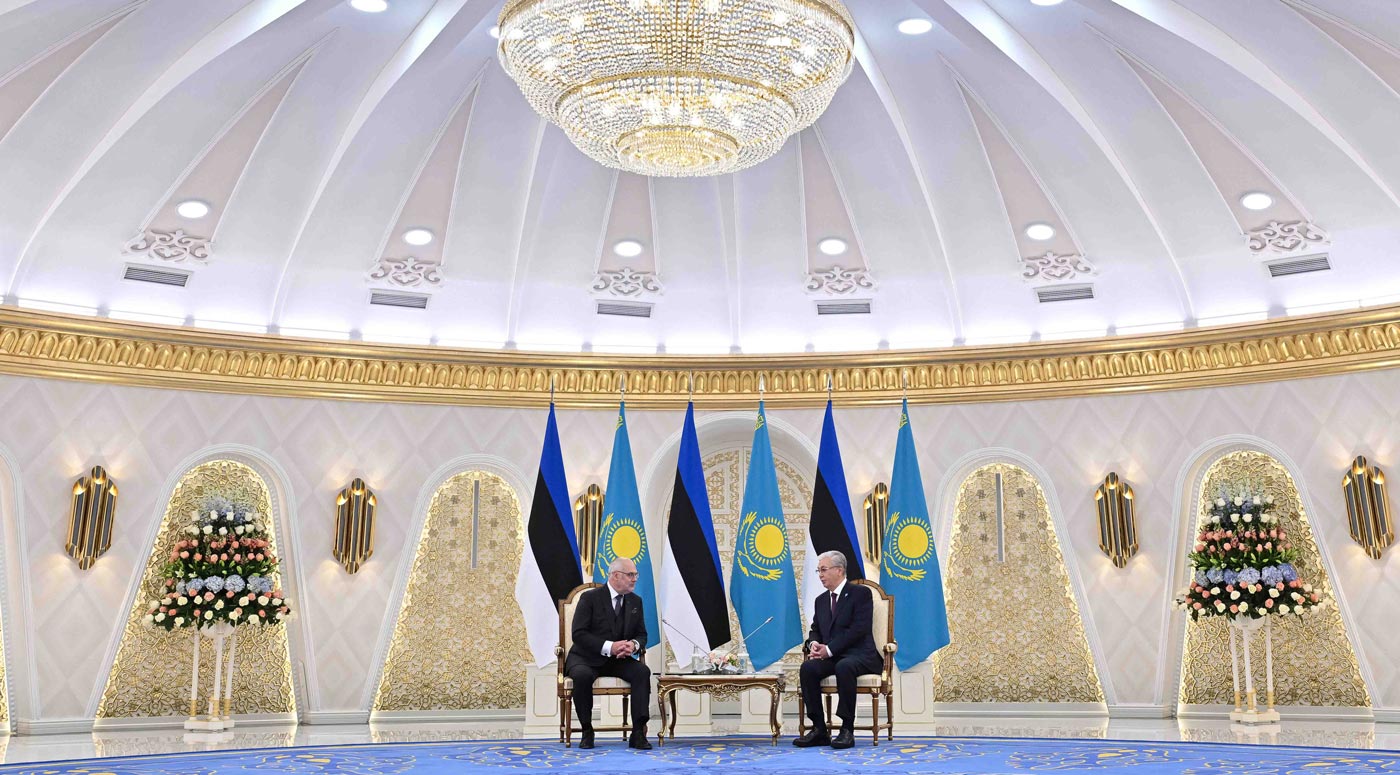
This work has proceeded simultaneously along several tracks – political, trade and economic, scientific-expert, cultural-humanitarian and parliamentary – which reflects the comprehensive and diversified nature of our bilateral cooperation.
To follow up on these agreements, Embassy held a series of meetings, including with Presidential Advisor Andres Kolga and with the leadership of the Estonian Ministry of Foreign Affairs. We have also organized a roundtable with representatives of the business and expert communities in Estonia.
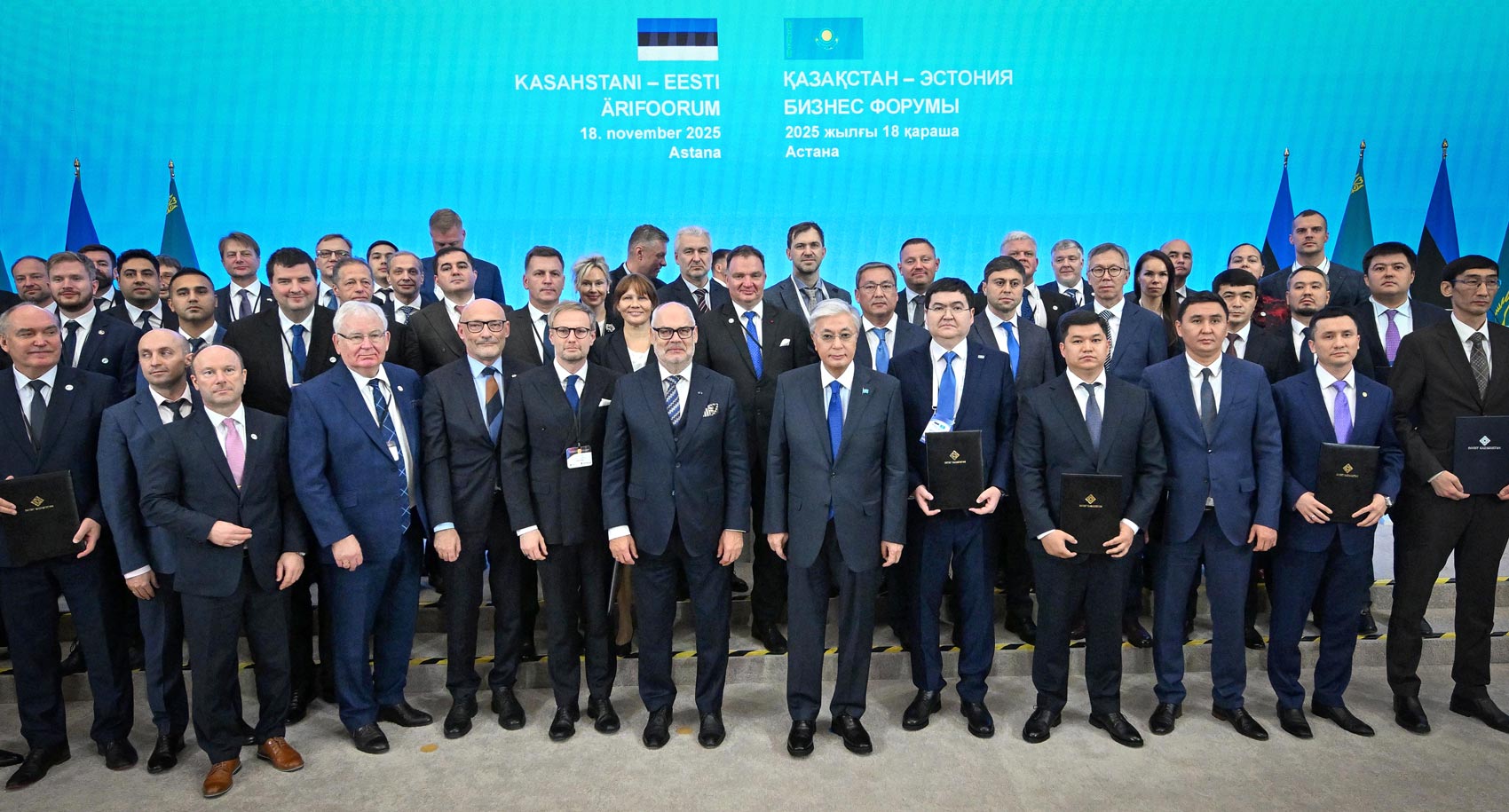
Overall, during the state visit of the President of Estonia to Kazakhstan, 35 documents were signed, representing a total value of more than USD 500 million.
These developments demonstrate that political cooperation between Kazakhstan and Estonia is at a high level and continues to deepen.
Q: Kazakhstan has recently undertaken significant political modernization. What are the main changes, and how do you assess their significance?
I have informed our Estonian friends about the most consequential political changes. The new constitution provides that the president is elected by universal, equal, and direct vote by secret ballot for a single seven-year term, and, critically, the same person cannot be elected president more than once. That limitation is constitutionally entrenched.
And introduction of the vice presidency. One institutional detail worth noting: the vice-presidential appointment now requires consent from the new parliament, not just a presidential decision.
The new parliament called the Kurultai can adopt constitutional and ordinary laws, override presidential objections, initiate national referendums, and consent to key presidential appointments: The Vice President, the Prime Minister, Constitutional Court judges, and members of the Central Election Commission. There’s also a new advisory body, the Halyk Kenesi, or People’s Council, which gains the right of legislative initiative — meaning it can introduce its own bills through the Kurultai.
The structural change includes the following: bicameral parliament, the Mazhilis and the Senate, is being replaced by a single chamber, the Kurultai, with 145 deputies elected to five-year terms.
We also discussed all these new developments this summer with members of the Riigikogu who belong to the Estonia–Kazakhstan interparliamentary friendship group.
These constitutional and institutional reforms have now moved from the stage of legislation to practical implementation with the election of the new Kurultai.
On August 25, 2026, Kazakhstan’s Central Election Commission announced the final results of the historic August 23 elections to the newly established unicameral Kurultai, where the Adilet party secured a landslide victory by winning 71.17% of the vote and 110 out of 145 seats.
Four other political parties successfully cleared the 5% electoral threshold to enter the new parliament Auyl (10 seats), Respublica (9 seats), Aq Zhol (8 seats), and the Nationwide Social Democratic Party (8 seats).
In total, five political parties will be represented in the Kurultai, bringing a diversity of political perspectives and interests into the new parliamentary system.
Q: You also took part in an academic discussion on nuclear issues in Tallinn. Could you tell us more about that?
With the Embassy’s participation, a roundtable titled ‘The Dilemma of Nuclear Deterrence’ was held on 10 March 2026, jointly with Tallinn University.
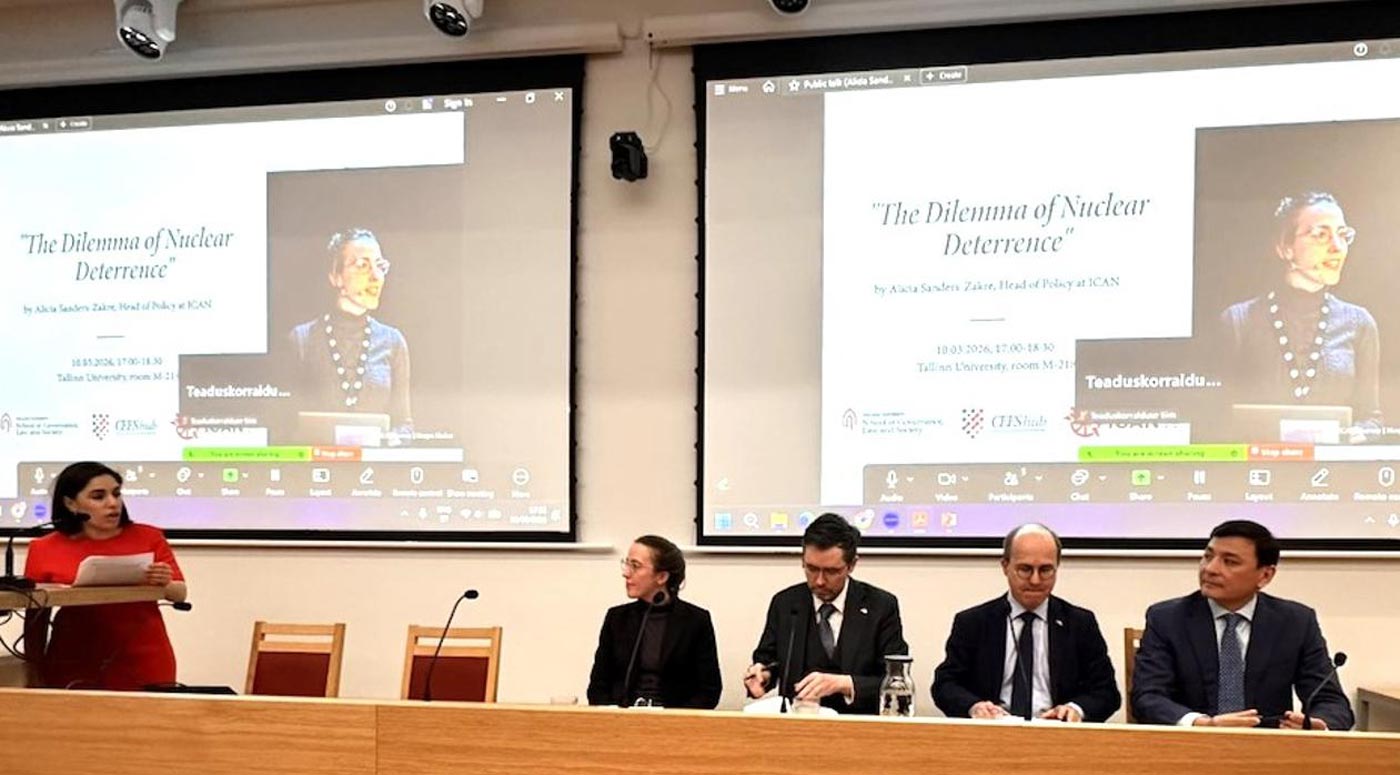
Presented Kazakhstan’s experience of denuclearization as a model of responsible leadership, drawing on our historic decisions the closure of the Semipalatinsk test site and our renunciation of the nuclear arsenal as well as on President Tokayev’s recent statements about our moral duty to future generations.
I reminded the audience that upon gaining independence in 1991, Kazakhstan inherited more than 1,400 Soviet nuclear warheads, making us, at that moment, one of the largest nuclear powers in the world. We chose to give all of it up voluntarily in pursuit of a peaceful and prosperous future.
I also spoke about the initiatives Kazakhstan has carried forward at the United Nations since that decision. In 2009, on Kazakhstan’s own initiative, the UN General Assembly unanimously adopted a resolution proclaiming August 29, the anniversary of the Semipalatinsk closure, as the International Day against Nuclear Tests.
More broadly, the «Embassy plus university» format has proven to be an effective instrument of public diplomacy. It allows us to move beyond the narrow diplomatic circle and reach the expert and student community directly. We agreed to continue this dialogue, which creates a solid foundation for institutionalizing this track of cooperation.
Part II. EU and Central Asia
Q: How did President Tokayev’s June 2026 visit to Brussels advance Kazakhstan’s bilateral relationship with the EU, particularly within the broader EU–Central Asia framework?
President Tokayev’s June 2026 visit to Brussels was a particularly important step in translating the EU’s broader strategic engagement with Central Asia into bilateral cooperation with Kazakhstan. The visit demonstrated that, alongside the regional framework, the EU is also pursuing a deepening and increasingly substantive relationship with Kazakhstan.
During the visit, the two sides reached a number of important agreements, particularly in the areas of aviation, critical raw materials, investment, and connectivity. These agreements give practical substance to the strategic partnership and create opportunities for further European investment and technology cooperation in Kazakhstan.
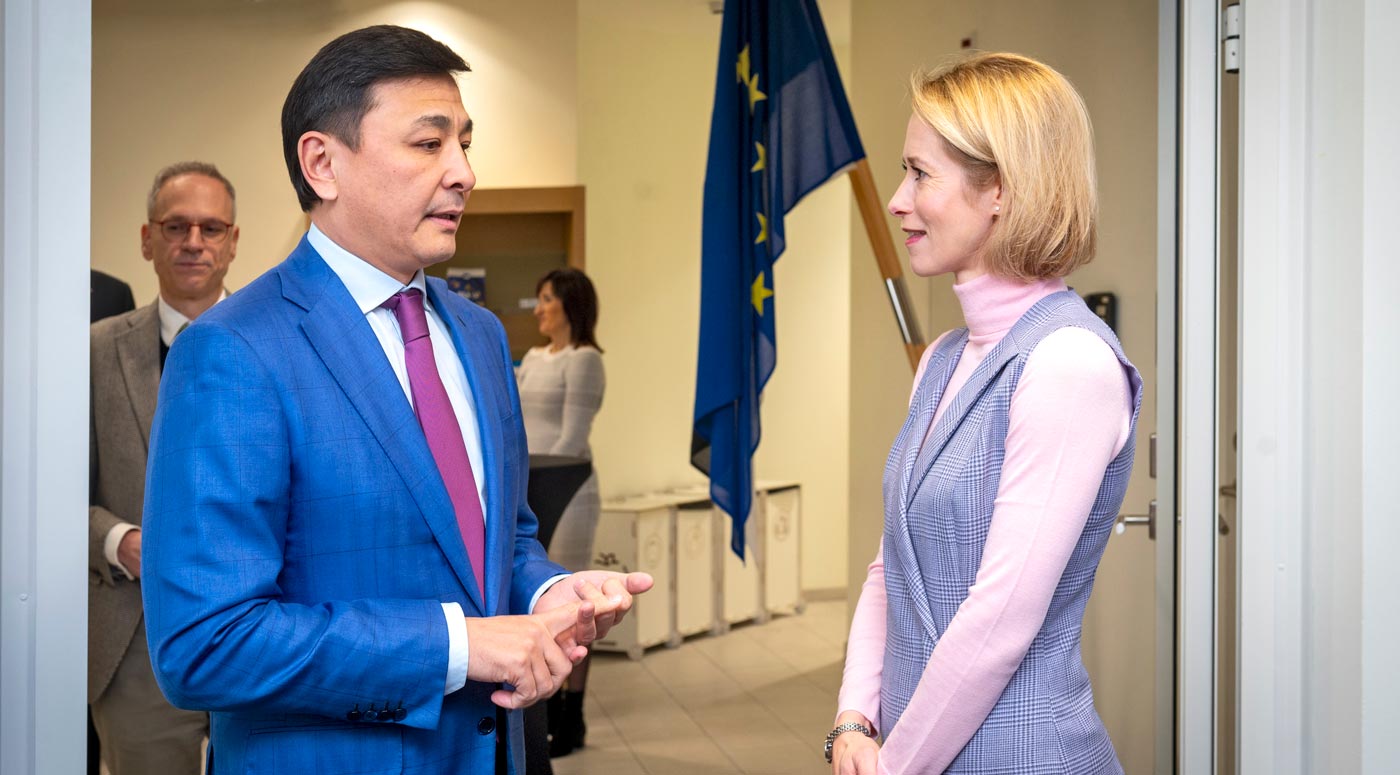
For Kazakhstan, the visit was also significant because it demonstrated that our bilateral relationship with the EU is developing in parallel with the broader EU–Central Asia partnership. Kazakhstan is the largest economy in Central Asia and plays a central role in the Middle Corridor, making it a particularly important partner for the EU in areas such as transport connectivity, critical raw materials, energy, and trade.
Q: What role does Estonia specifically play within Kazakhstan’s broader EU trade picture?
Let me give you the wider context first. In 2025, the European Union was Kazakhstan’s largest trading partner, with total trade between them reaching around $50 billion. Out of that amount, roughly $355 million was trade with the Baltic states, including $81 million with Estonia specifically. So Estonia is a modest but growing slice of a much larger EU relationship.
Q: What about investment flows is Estonian investment in Kazakhstan also growing?
Yes, and quite significantly. By the end of 2025, Estonian investment in Kazakhstan reached $17.7 million, a 95% increase compared to 2024. So investment nearly doubled year-on-year, even if the absolute figures are still modest relative to the EU.
Q: Do you have more recent figures how has trade performed so far in 2026?
Trade turnover between Kazakhstan and Estonia for January–April 2026 came to $27.5 million, which is 30% higher than in the same period the previous year. For context on the annual trend: full-year turnover was $81 million in 2025 and $72 million in 2024, so we’re looking at consistent year-on-year growth.
Q: What are Kazakhstan and Estonia actually trading with each other?
On the export side, Kazakhstan’s main products to Estonia include chemical products, mineral products, and agricultural goods. On the import side, Kazakhstan brings in machinery and mechanical equipment, along with chemical products, from Estonia. So there’s a genuine two-way exchange rather than a purely resource-for-manufactured-goods pattern.
Q: Beyond trade figures, is there a business presence on the ground?
Yes, as of 2025, there were more than 74 legal entities, branches, and representative offices with Estonian participation operating in Kazakhstan. That’s a meaningful indicator that this isn’t just arm’s-length trade; Estonian businesses are establishing an actual operational presence in the country.
Q: Turning to the economy, agriculture appears to be an area of particularly rapid growth. What has been achieved recently?
We are engaged in substantive negotiations aimed at further increasing the volume and range of our agricultural exports.
In the reporting period, a Kazakh delegation from the Ministry of Agriculture of Kazakhstan visited Tallinn on 11–12 February 2026. The delegation also included the local government representative from North Kazakhstan and Akmola regions, the Chairman of the Food Contract Corporation, and representatives of the business community from Akmola and North Kazakhstan regions – around 20 farming enterprises in total.
Given the export tasks set for the delegation, representatives of KTZ Express, the Port of Kuryk and other Kazakh logistics companies also joined the visit, allowing us to work through transportation and logistics questions comprehensively.
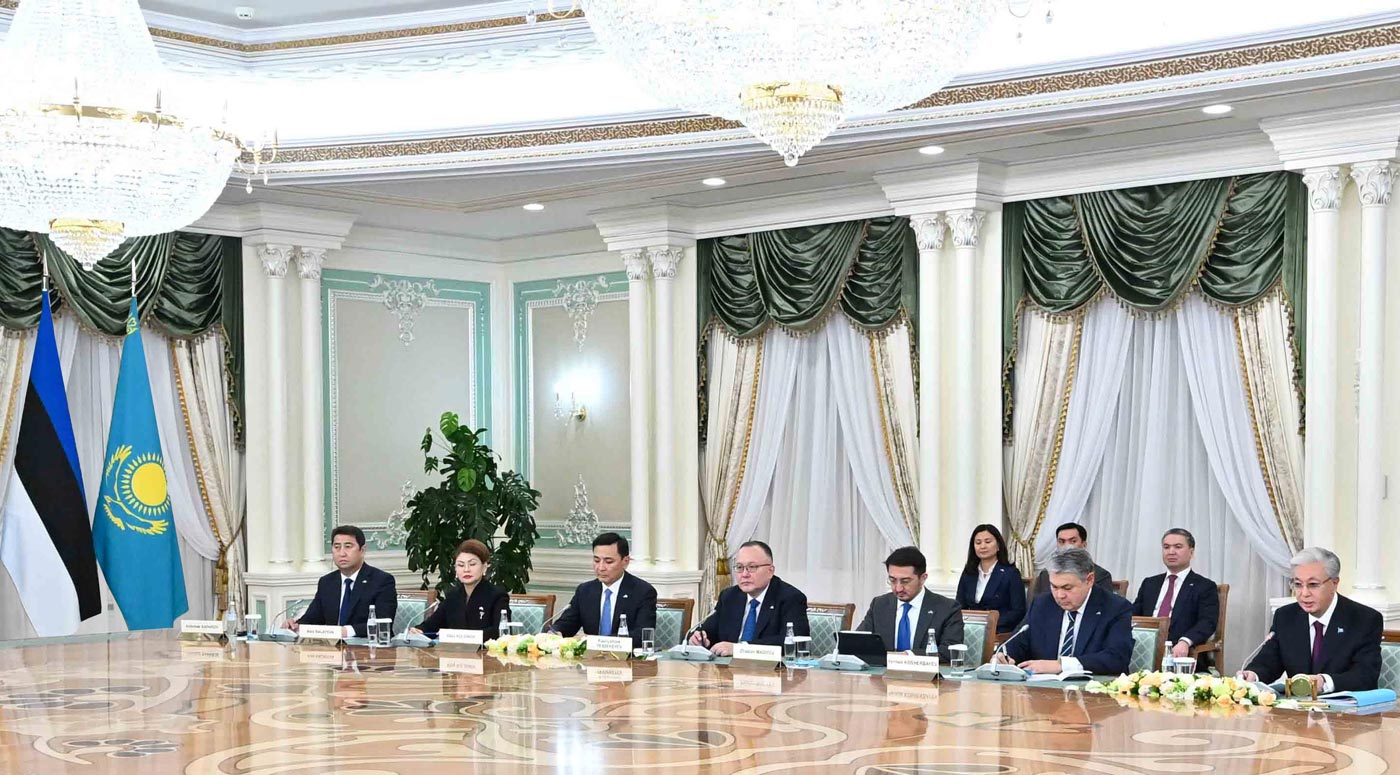
Q: What came out of the discussions with Estonian ports and logistics companies?
Our exporters met with the Port of Sillamäe with the Port of Tallinn, including its Muuga Grain Terminal, the country’s largest port operator and a state company running four Estonian ports. We also met with leading Estonian trading companies.
The ports presented their grain and bulk liquid handling capacity and their advantages as logistics hubs on the Baltic route. The talks focused on transport routes, transshipment capacity, and improving port infrastructure for Kazakh export cargo.
At ministerial level, we also met with the Estonian Ministry of Agriculture and the Estonian Cattle Breeders’ Association, discussing agricultural logistics, exports, and pedigree cattle imports. We’re keen to learn from Estonia’s experience with agricultural digitalization and to explore importing more pedigree cattle.
Between 2019 and 2024, Kazakhstan imported 1,654 head of pedigree cattle from Estonia both dairy (Holstein) and beef breeds (Angus and Hereford). Estonia confirmed its interest in deepening this cooperation.
Q: Beyond agriculture, what industrial projects would you highlight?
Together with Kazakhstan’s Ministry of Emergency Situations, we have been working on the acquisition and construction of a multifunctional vessel for firefighting and evacuation operations on the Caspian Sea, in cooperation with the Dutch-Estonian shipbuilders Damen and Baltic Workboats. With the same companies, we have also discussed applying Estonian shipbuilding expertise to the construction of a shipyard in Mangystau region. This builds on an established record of cooperation: in previous years, Kazakhstan purchased several vessels from Estonian shipbuilders.
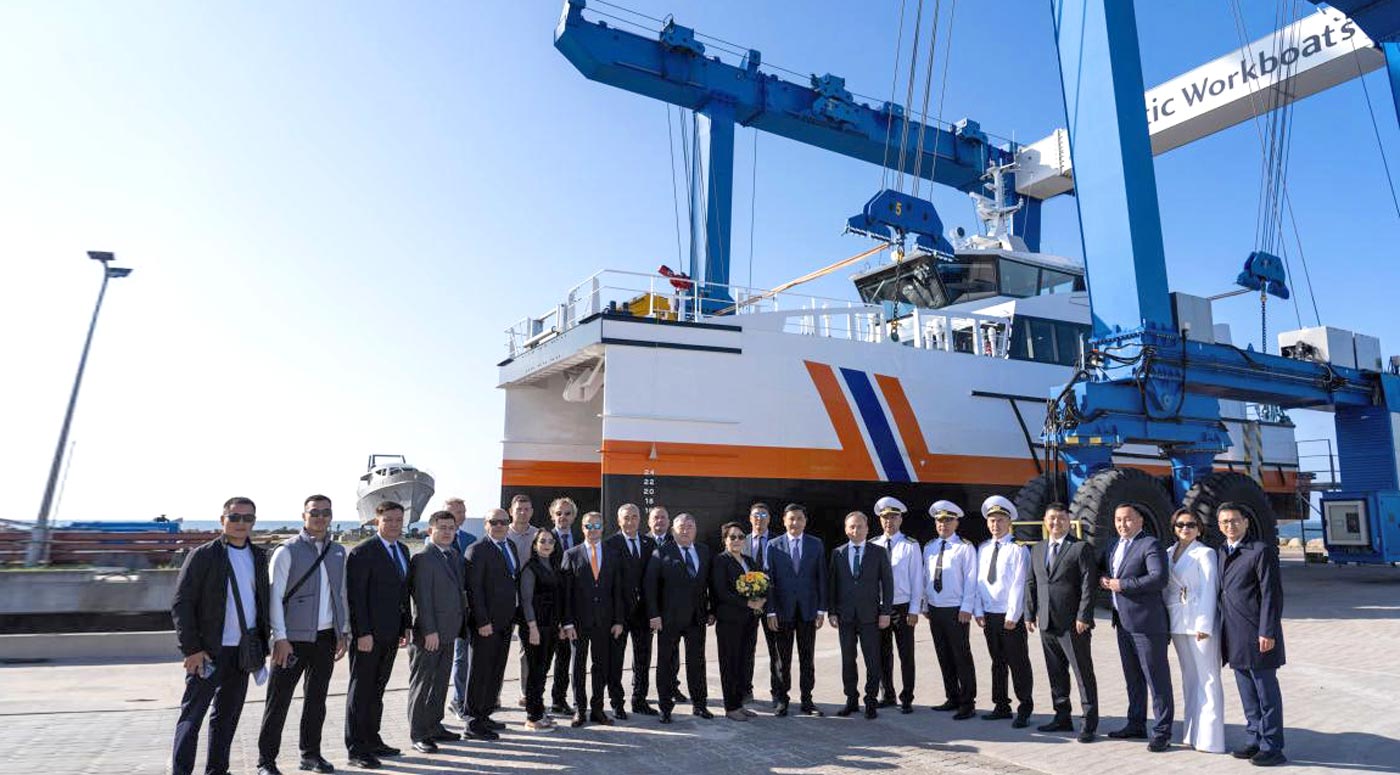
Meanwhile, Damen and Mangystau region are planning to construct a shipyard, in which BalticWork Boat could also participate in launching the project.
As part of an investment project, the company Aquaphor has acquired a plot of land in Almaty city. Construction and installation work is under way, equipment for producing industrial filters has been ordered, and the company has met with the leadership of Invest Almaty to request assistance with permitting. Negotiations are continuing on a second phase, a larger plant for household water filters, which would create hundreds of new jobs.
With the Embassy’s support, the Tallinn Machine-Building Plant, together with a Kazakh partner, registered a joint venture under the jurisdiction of the Astana International Financial Centre. The joint venture will produce high-pressure heat exchangers for use at gas- and oil-processing plants and other industrial facilities.
Other companies are also exploring opportunities to enter and expand in the Kazakh market.
Q: How is cooperation developing in digital technologies and industrial engineering more broadly?
Bank CenterCredit and the Estonian company TUUM are actively developing cooperation on modern digital banking solutions, with the aim of transforming Bank CenterCredit into a fully digital bank operating primarily online, using advanced technology and digital services.
Alstom Kazakhstan and the Estonian company SLD Consult have reached an agreement on cooperation in onboard electronics and modern locomotive safety systems.
Q: Education cooperation also seems to be intensifying. What would you highlight there?
From 19 to 21 March this year, we facilitated a visit to Astana by a delegation led by the Deputy Mayor of Tallinn, and the Director of the city’s Education Department. The delegation, which included school directors, deputy directors and teachers, came to study best practices in Kazakhstan’s national education system, including in Astana itself.
In turn, on 8 May a delegation from the Kazakh National Women’s Teacher Training University, led by Rector, visited Tallinn. The programme was comprehensive, covering every level of the education system, from preschool to higher education.
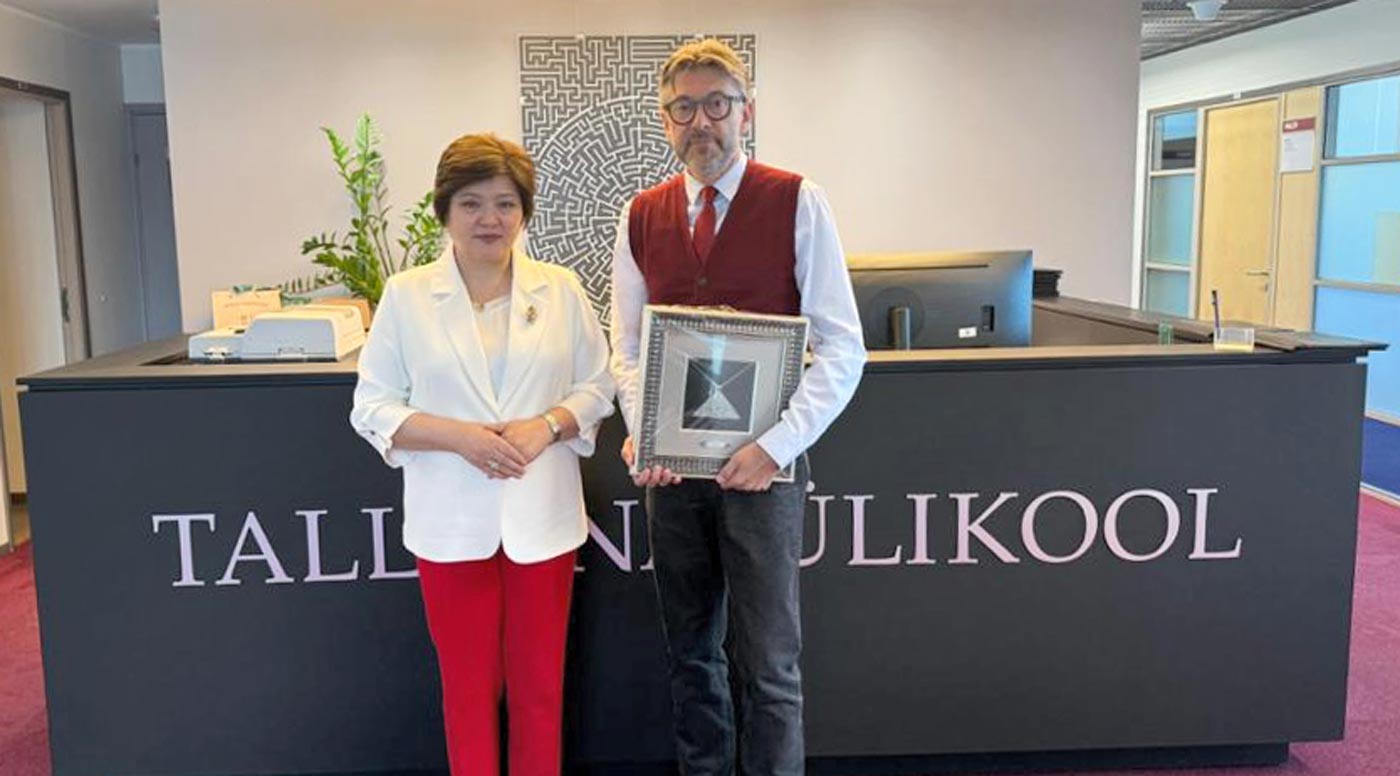
At Tallinn’s Education Department, the delegation was introduced to the structure of Estonia’s national education system and to the LAHE competency-assessment model, which drew particular interest from our side. The Pääsusilma preschool centre allowed our colleagues to see practices aimed at developing independence and creative thinking in young children, and at Tallinn University they met with Rector, who presented the university’s strategic priorities, research directions and international initiatives. Separate talks were held between Tallinn University and our Women’s Teacher Training University on academic mobility for students and staff, and on joint educational projects.
Similar forms of cooperation between universities in Estonia and Kazakhstan are also underway.
Q: Cultural diplomacy also plays an important role in the relationship. Could you tell us about the television project with Estonia?
The Embassy has carried out substantial work with Estonian National Television to organize a special programme about Kazakhstan, marking the 35th anniversary of our country’s independence. As a result, an Estonian film crew of six people travelled to Kazakhstan to shoot a two-part programme, ‘Maitserännak’ (‘A Journey of Tastes’), which tells the story of Kazakhstan’s history, culture and traditions.
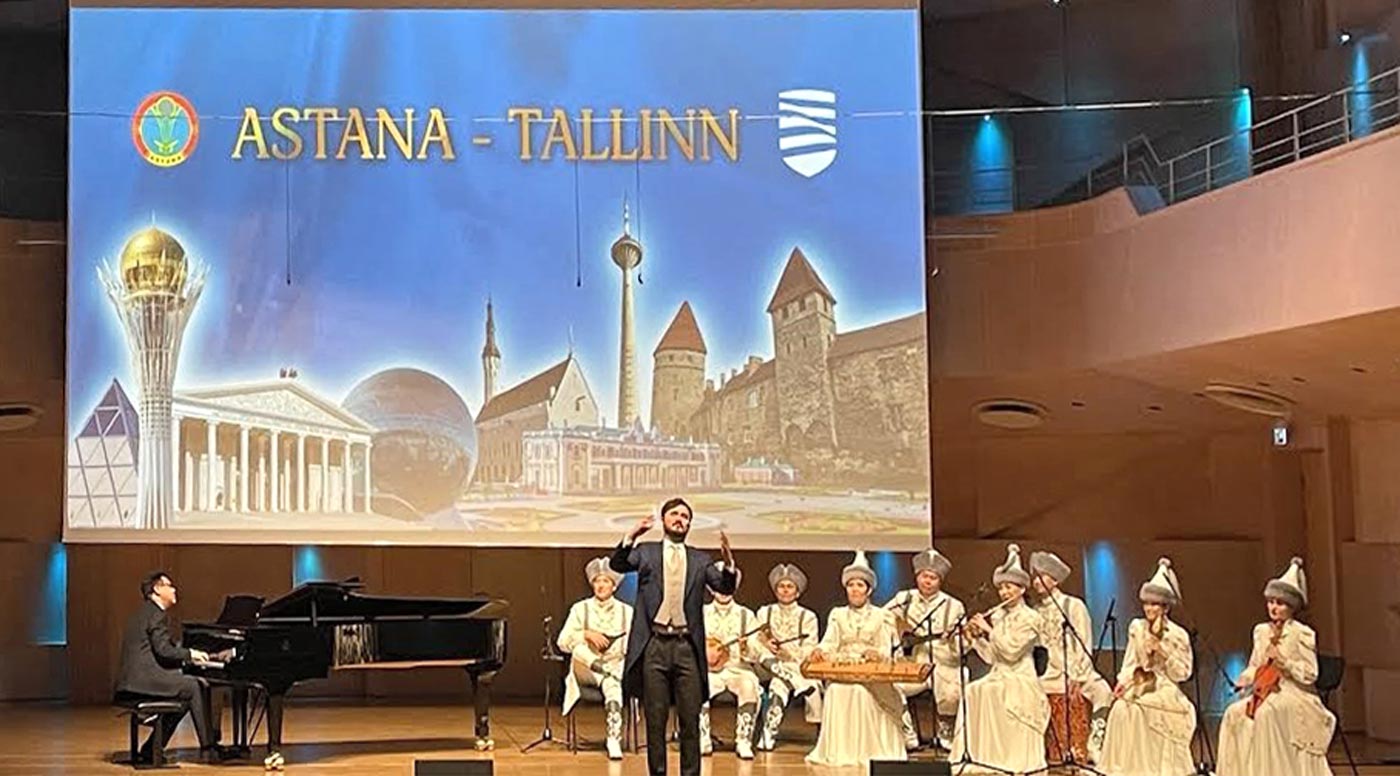
The programme is devoted to contemporary life in Kazakhstan and to people whose everyday lives weave together innovation, gastronomy and rich tradition. Particular attention is paid to the country’s distinctive cultural code – the combination of dynamic development with the careful preservation of national heritage, reflected in rituals such as betashar and tusau kesu. Through personal stories, viewers are shown a vivid and multifaceted image of a modern Kazakhstan that is open, developing and true to itself.
Together with the regional administrations of Mangistau, Akmola and Almaty regions, and the cities of Almaty and Astana, we helped shape a rich itinerary for the Estonian delegation’s visit, including Bozzhyra, Burabay, the Charyn Canyon, Lake Kolsai, and the cities of Almaty and Astana. The Estonian guests have participated in preparing national dishes.
With assistance of the national company Kazakh Tourism, we were able to compile and provide the necessary materials for the programme.
This kind of cooperation helps bring the people of Kazakhstan and Estonia closer together by fostering greater mutual understanding, cultural exchange and people-to-people connections.
Q: To close, how would you characterise the overall trajectory of Kazakhstan–Estonia relations at this stage?
What strikes me most is the sheer breadth and diversity of what Kazakhstan and Estonia have achieved across so many areas of cooperation – political dialogue, trade and investment, agriculture, industry, shipbuilding, digital technologies, education, science and culture. As both our countries celebrate the 35th anniversary of independence, this milestone provides an especially meaningful opportunity to reflect on the development of our bilateral relations and to look ahead to new areas of cooperation.
The progress we are seeing today demonstrates that our partnership is becoming increasingly practical, substantive and people-oriented. From major investment and industrial projects to academic exchanges and cultural initiatives, our cooperation is creating new opportunities for businesses, institutions and, most importantly, for people in both countries.
Photos courtesy of the Embassy of Kazakhstan in Estonia.

.