


Kazakh steppe resonates through this ancient two‑string instrument
«Dombra-ancient Chronicle of a nomadic country, the state of the old man’s chest, who has seen many» Akhmet Zhubanov
A special channel of the Kazakh folk art with a centuries – old history is the tradition of dombra and Kui. According to archaeological and ethnographic data, dombra instruments were used in the Eurasian steppes thousands of years ago.
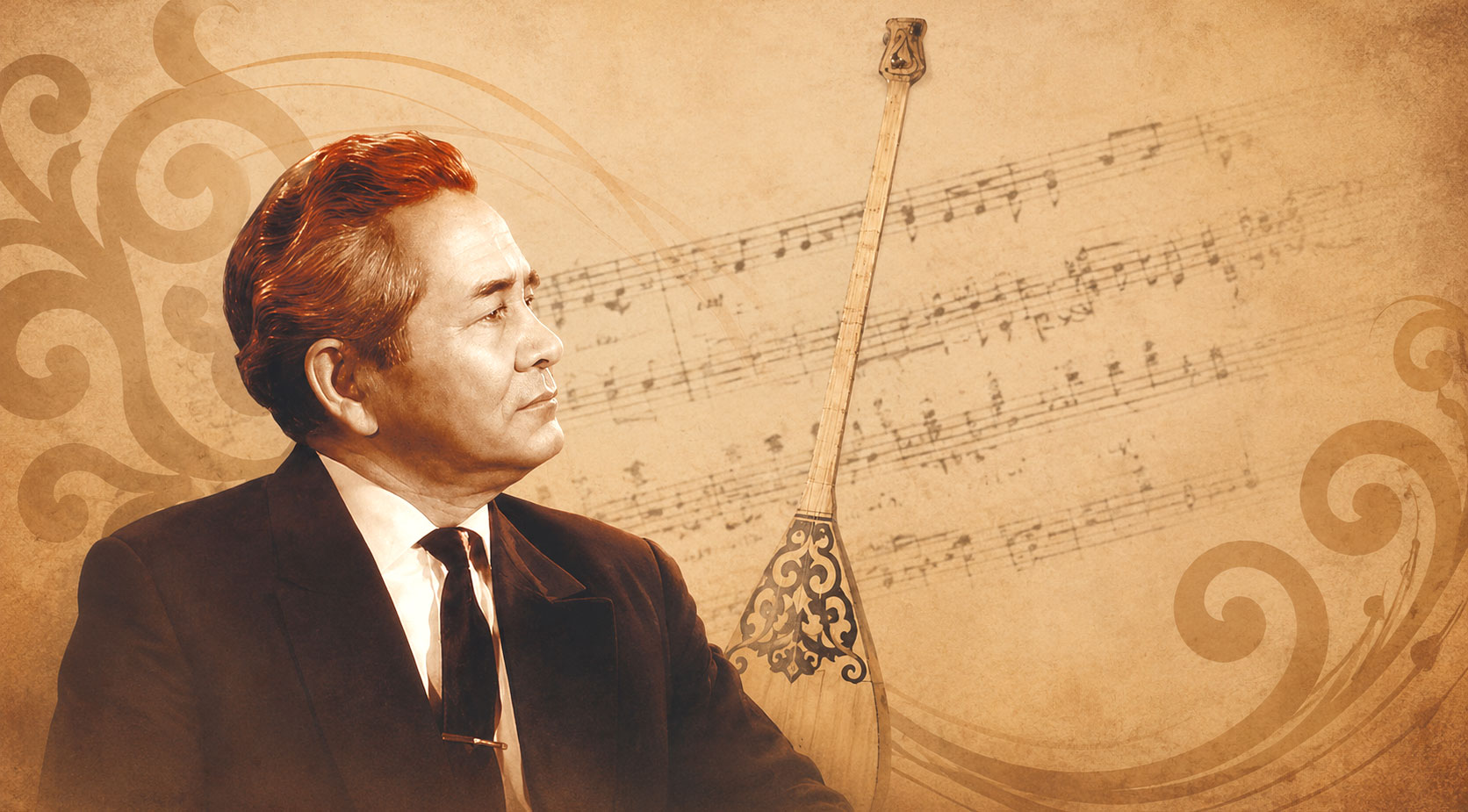
Historical and reference information about dombra
Some sources say that its history covers the period from 2000 to 6000 years. The dombra has a special place in the spirituality of the Kazakh people. The formation of a musical instrument dates back to ancient times. In the Turkic-speaking peoples from Altai to Anatolia, the dombra instrument was widely distributed. The place of origin of the first dombra instrument is considered to be the Altai Mountain, the Golden Cradle of the Turkic peoples. Academician Akhmet Zhubanov says:» the dombra, the most airy and sacred musical instrument of the Kazakh people living in the vast steppe, has a sound that is pleasant to the ear and close to the heart, and its silvery sound makes the head of a lot of cheese.»
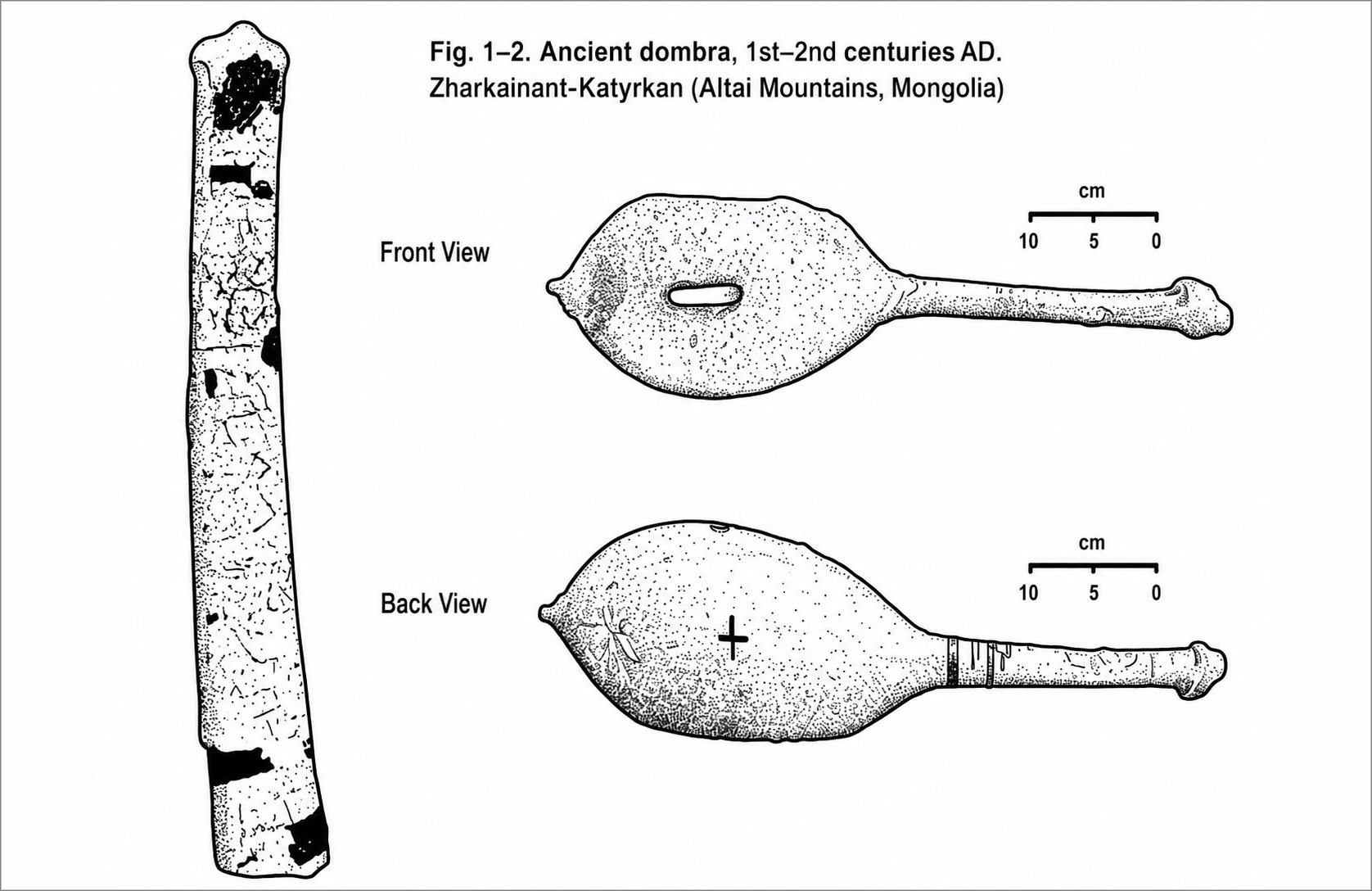
The most ancient versions of the dombra instrument were found in the caves of the Zhargaland-Kairkan ridges in the Altai-Mongolian mountains. The first discovered Clay tool had ancient inscriptions on its body. He read the inscriptions by the Berlin turkologist Peter Sieme, and according to the turkologist K. Sartkozhauly, «the melody of Musk makes us love.» This valuable relic dates back to the 5th-6th centuries BC. «no,» he said.
The National Day of Dombra is a holiday dedicated to one of the main symbols of Kazakh culture and spiritual heritage. Since 2018, it has been celebrated annually on the first Sunday of July.
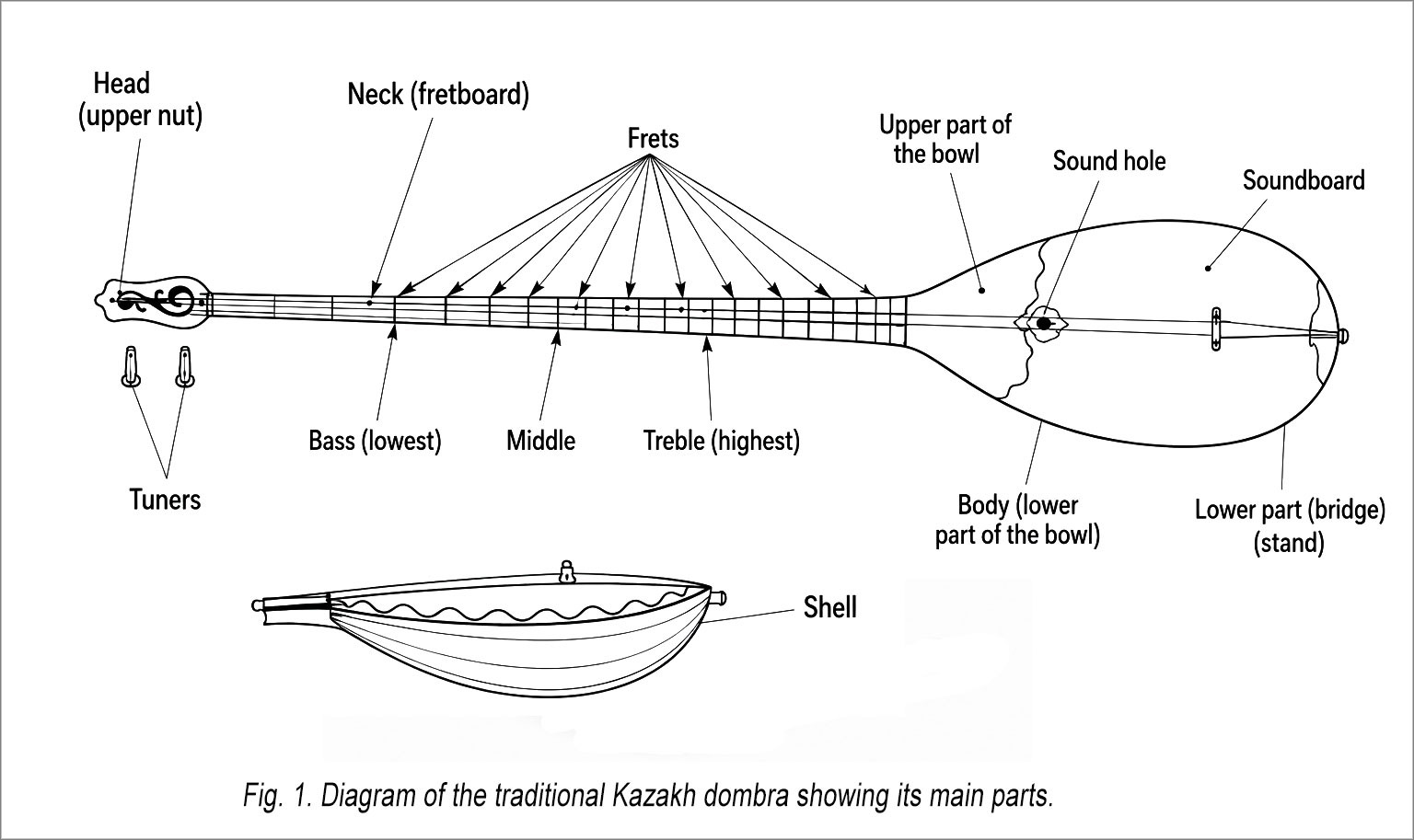
Construction of a dombra instrument
Dombra is one of the oldest and most sacred musical instruments of the Kazakh people. It is a two-string, multi-key clicking instrument and is an integral part of the spiritual and cultural life of the Kazakh people. The dombra is a two-string, clicking instrument.
It is mainly tuned to positive (Quarta) and negative (Quinta) twists. The tambourine consists of several parts: head, ears, keys, neck, body, face cap, lock. Basically, the dombra instrument is made of wood. In different regions of the country, you can see different forms of dombra.
Dombra, which is found in different regions of the Kazakh steppe, has developed and changed depending on the local conditions, lifestyle and traditions, the school of songs, songs, Kui and the style of performance of each artist, the skill of the Masters of the instrument.
People who developed the art of national Kui using the dombra instrument
The art of performing music on the dombra instrument of the Kazakh people was especially developed in the XIX century. The Kazakh people have developed two main systems of music on the dombra:
1) the tradition of singing;
2) the tradition of singing. In the history of the nation, such Kui composers as Kurmangazy, Tattimbet, Seitek, Sugir, Turkesh, Dauletkerey Kazangap, Esbay, Kozheke, Alshekey Dina Nurpeisova have formed traditional Kui schools using the Kazakh dombra instrument.
Many of the musical instruments of the great KUIS with the help of dombra are stored in the Museum of musical folk instruments named after Iklas Dukenuly in Almaty. Today, dombra is not only a National Instrument, but also a spiritual value that has become a cultural brand of Kazakhstan.
Modern performers and professional orchestras take its development to a new level and present it in the world cultural space.
The dombra stands as one of the most ancient and spiritually significant musical instruments of the Kazakh people, with a history stretching back thousands of years across the Eurasian steppes. Its unique two‑string design and rich repertoire of kui melodies have preserved the collective memory, traditions and worldview of Turkic nomads through generations. The instrument’s evolution and regional variations reflect the diverse lifestyles, skills and artistic schools of legendary composers such as Kurmangazy, Tattimbet and Dina Nurpeisova. Today, the dombra transcends its role as a folk instrument, becoming a recognised cultural brand of Kazakhstan and a source of national pride on the global stage. Modern performers and orchestras continue to elevate its legacy, ensuring that the dombra’s sacred voice remains alive and resonant for future generations worldwide.

.